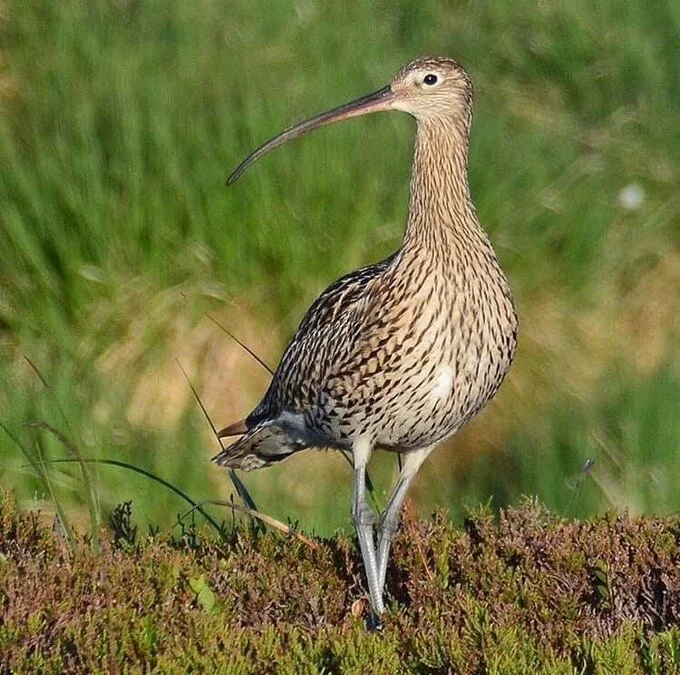
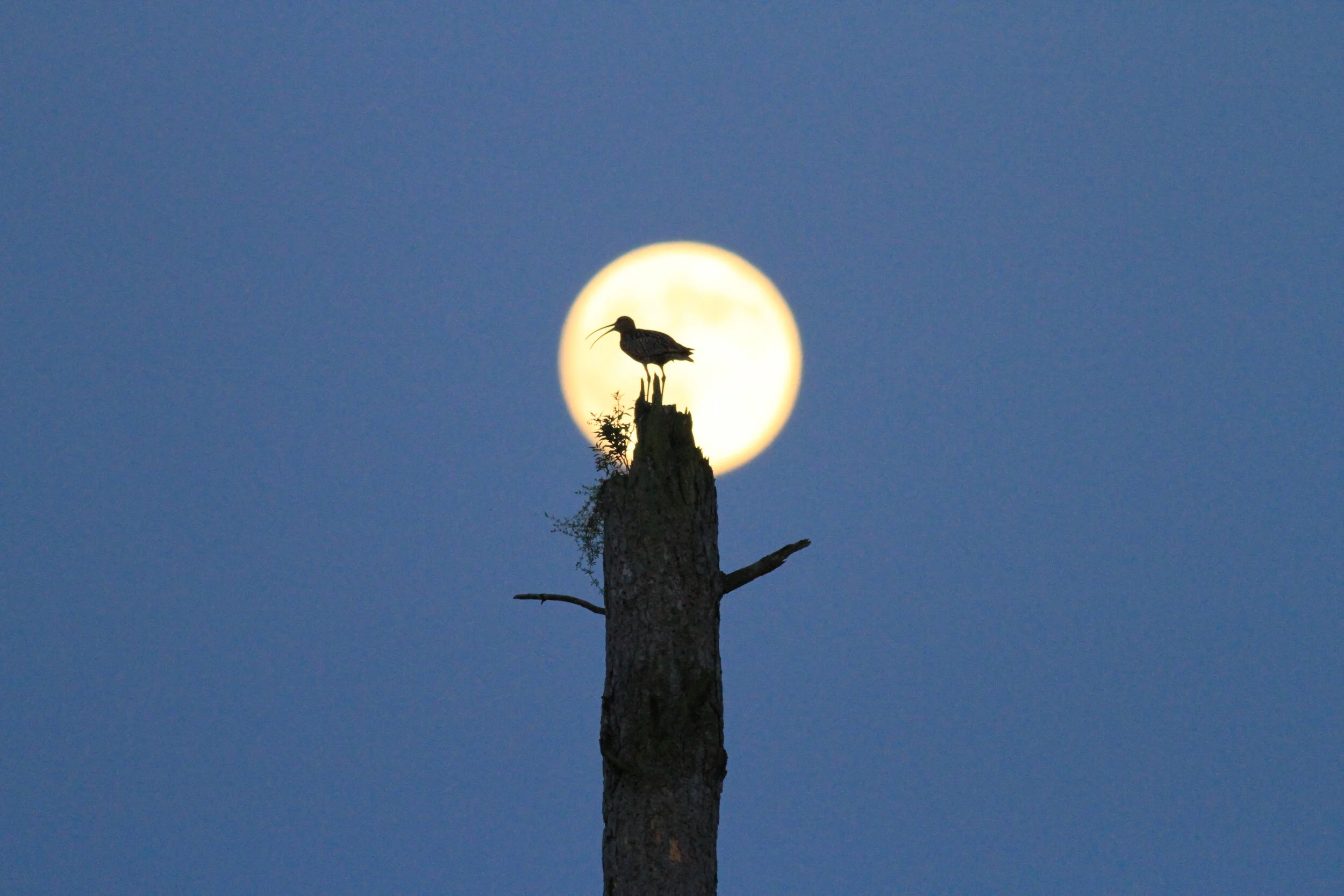
Thanks to Andrew Fusek Peters for the beautiful photograph.
I felt so saddened by the drastic decline of the Curlew, that in 2016 I decided to take time out and walk from the West coast of Ireland through Wales to the East coast of England to raise awareness about its plight and also raise funds for the projects protecting this beautiful bird and its habitat.
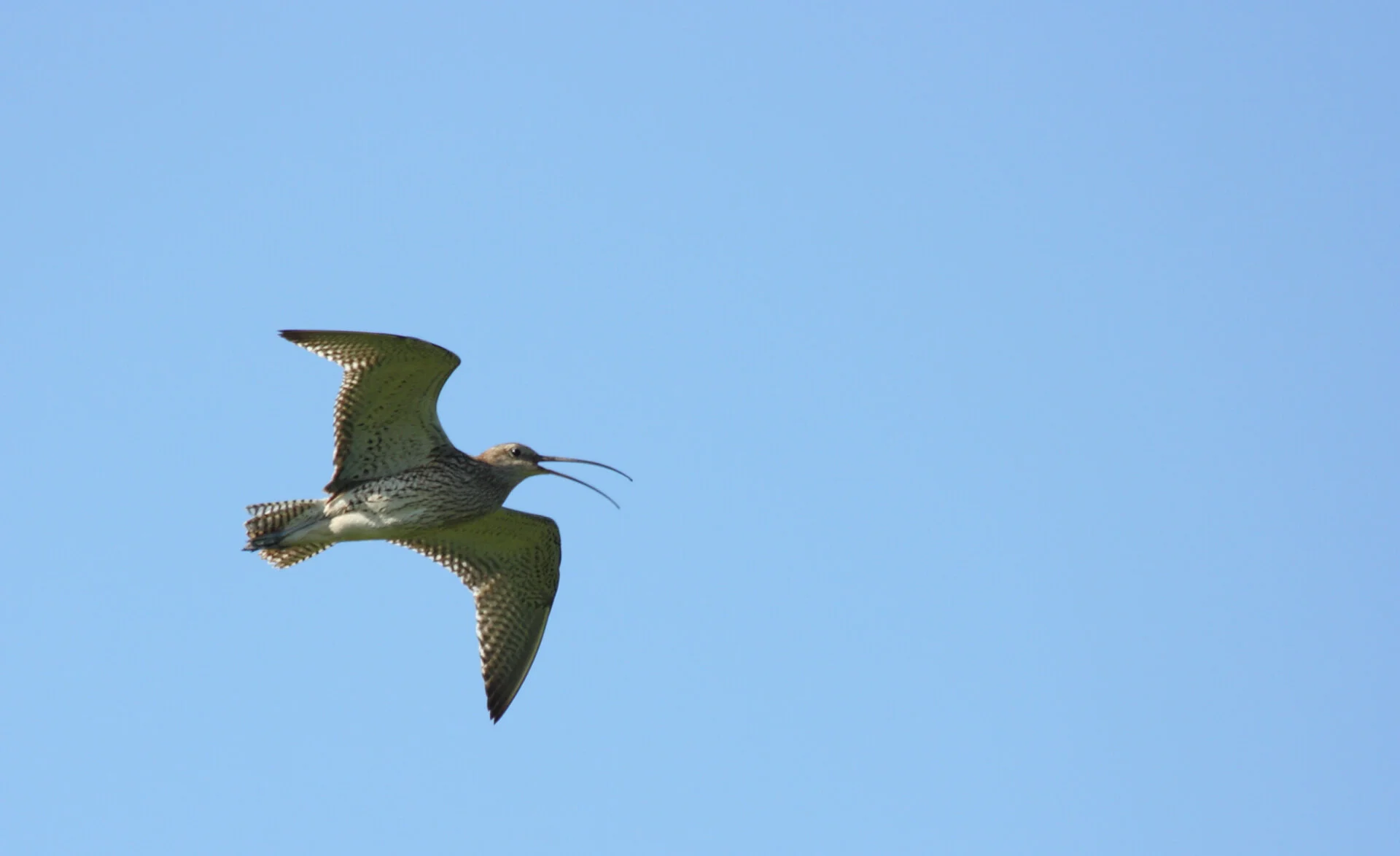
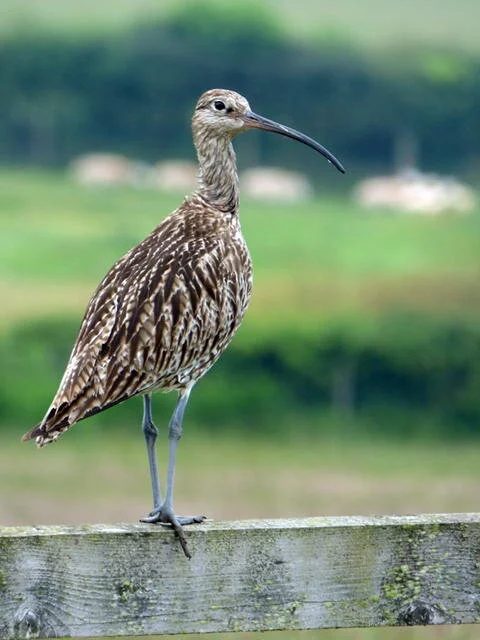
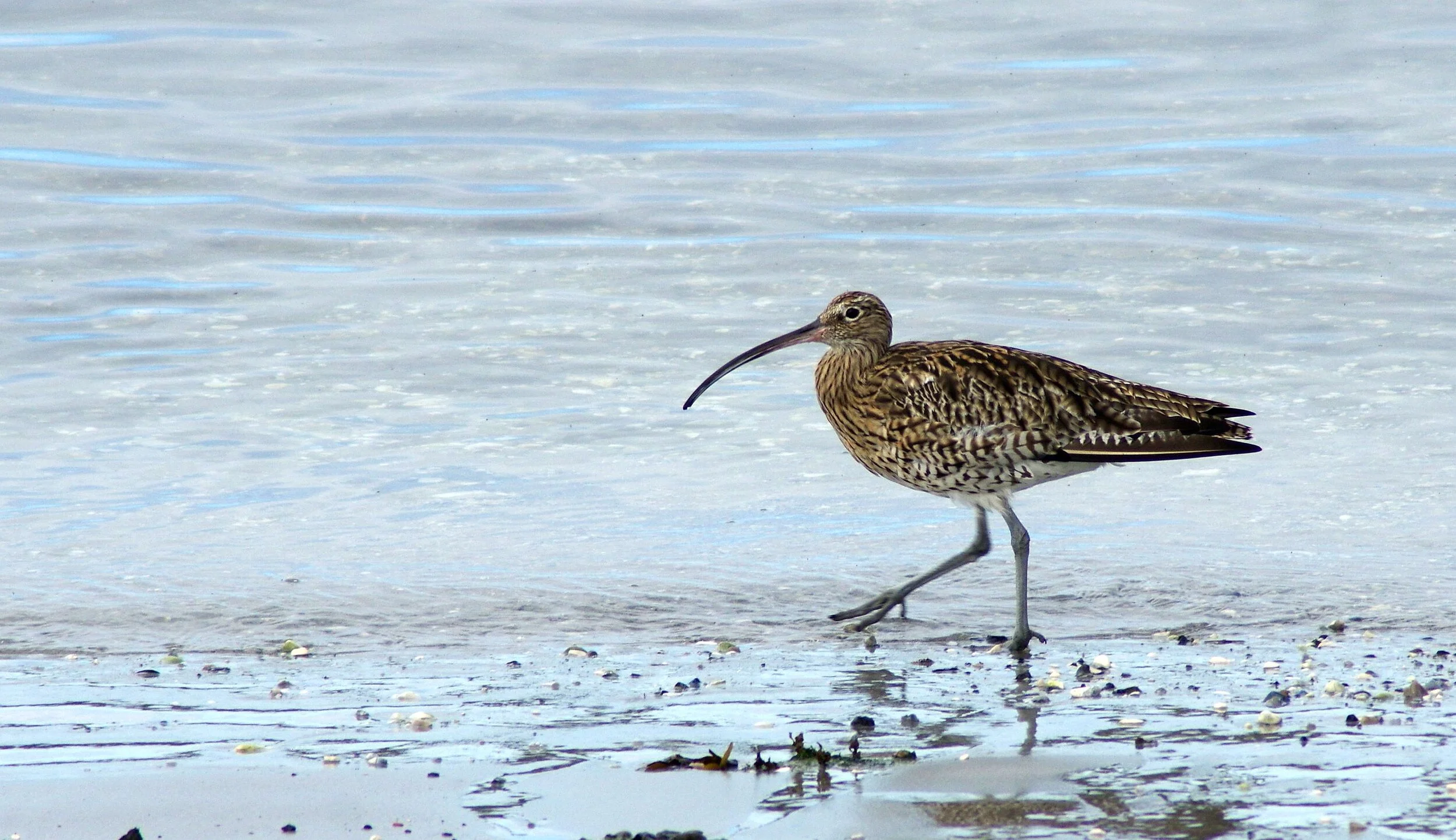
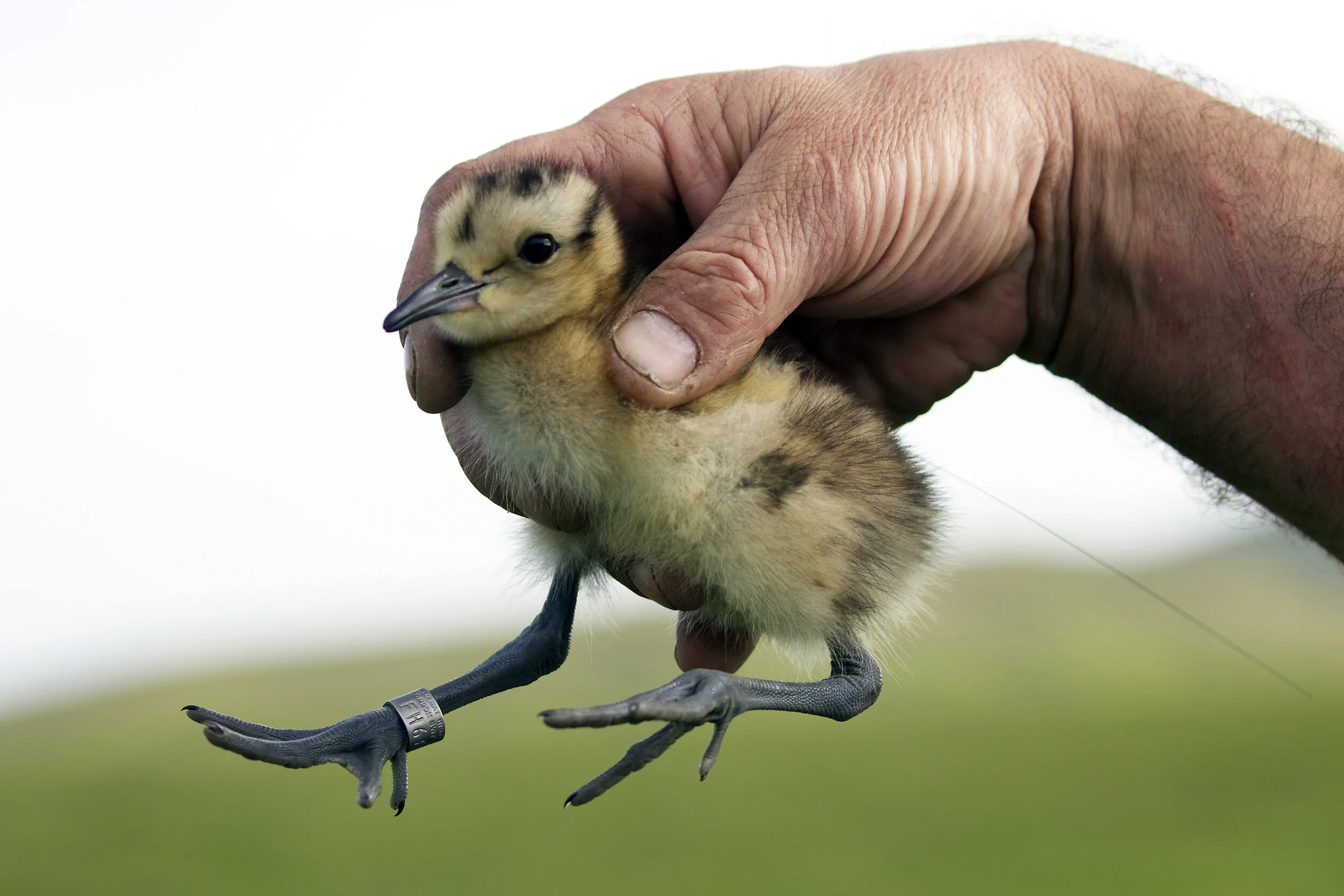
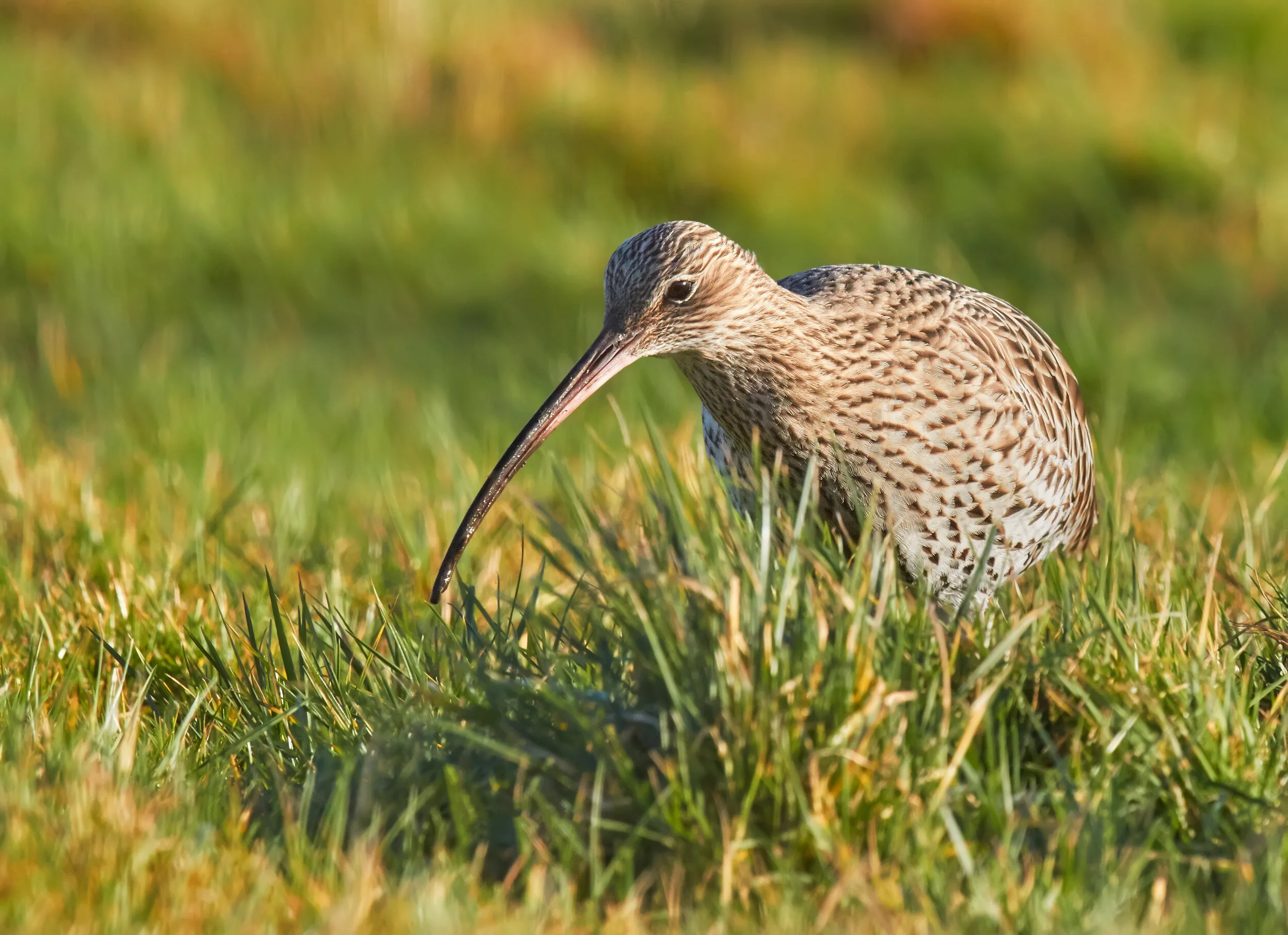
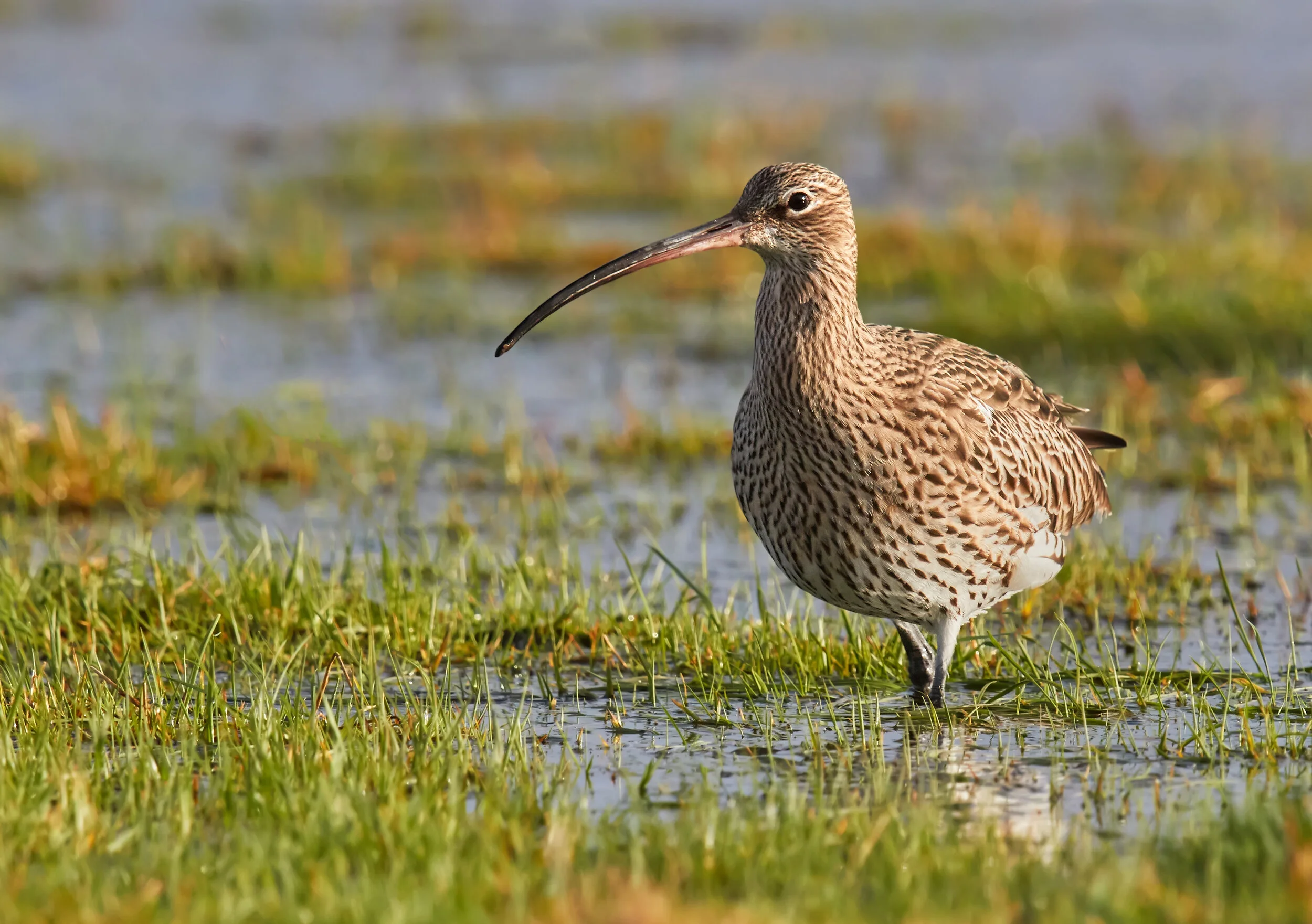
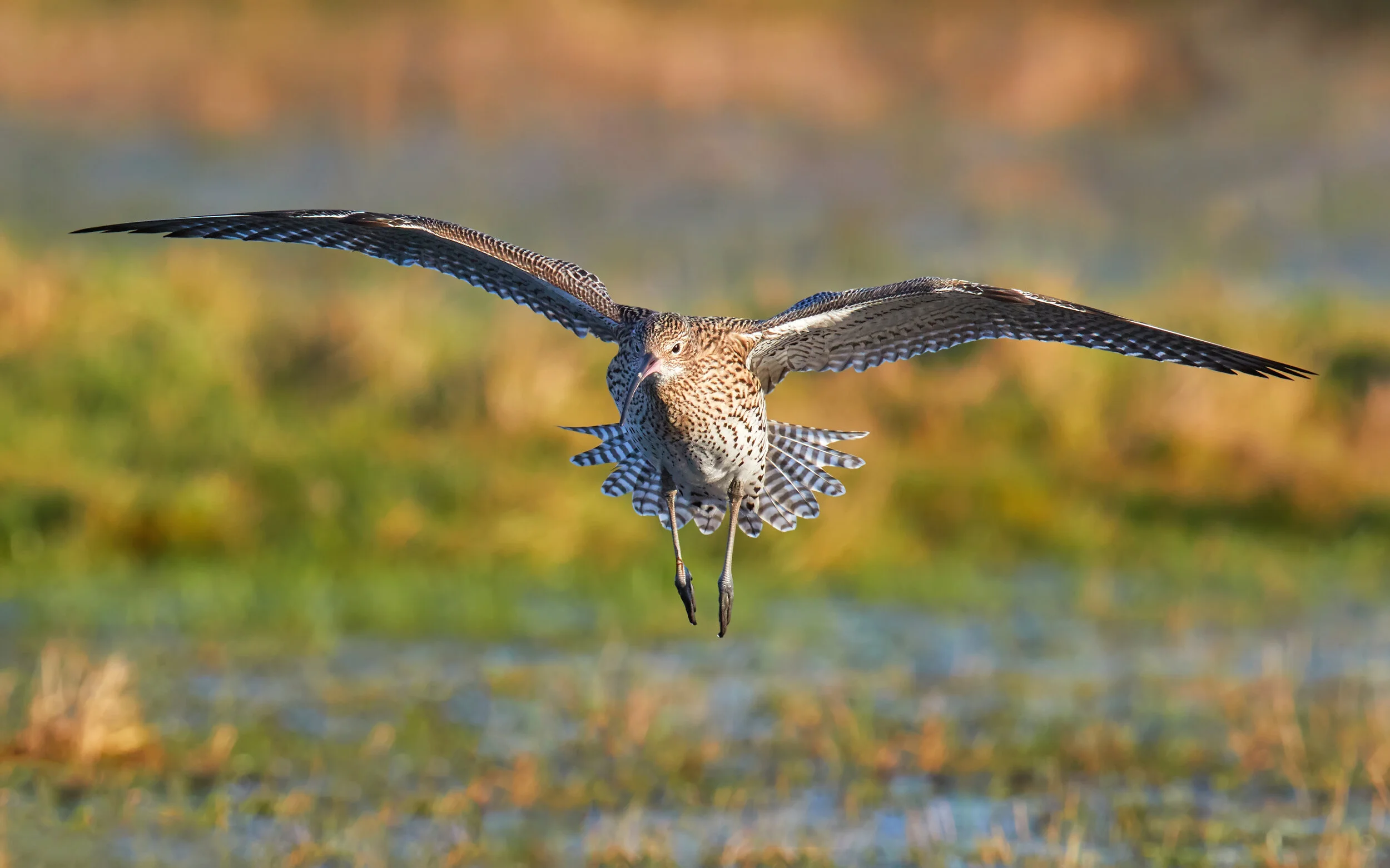
Curlews are the UK’s largest wading bird, about the size of a herring gull on long legs. They are predominantly brown, but closer inspection reveals an intricate patterning of brown, cream and grey that shifts in hue with the sun. In the winter you’ll see many around our coasts and estuaries, the numbers boosted by winter visitors from Finland and Scandinavia. Come the Spring however, most of these return home to breed and our own birds head for the meadows and hills to nest.
Their scientific name is Numenius arquata. Numenius – new moon and arquata – bow-like, they refer to the shape of the bill. The female’s bill is longer than the male’s allowing them to feed on different creatures buried in soft sediment. The bills are sensitive and open independently at the end, working like a pair of tweezers, which looks quite odd – but it allows them to feel for hidden worms, crustaceans and snails.
This truly beautiful short film by Billy Clapham highlights the issues they face:
Here is a blog by composer and naturalist, Peter Cowdrey, on recording the haunting call of the curlew and the musicality of the song.
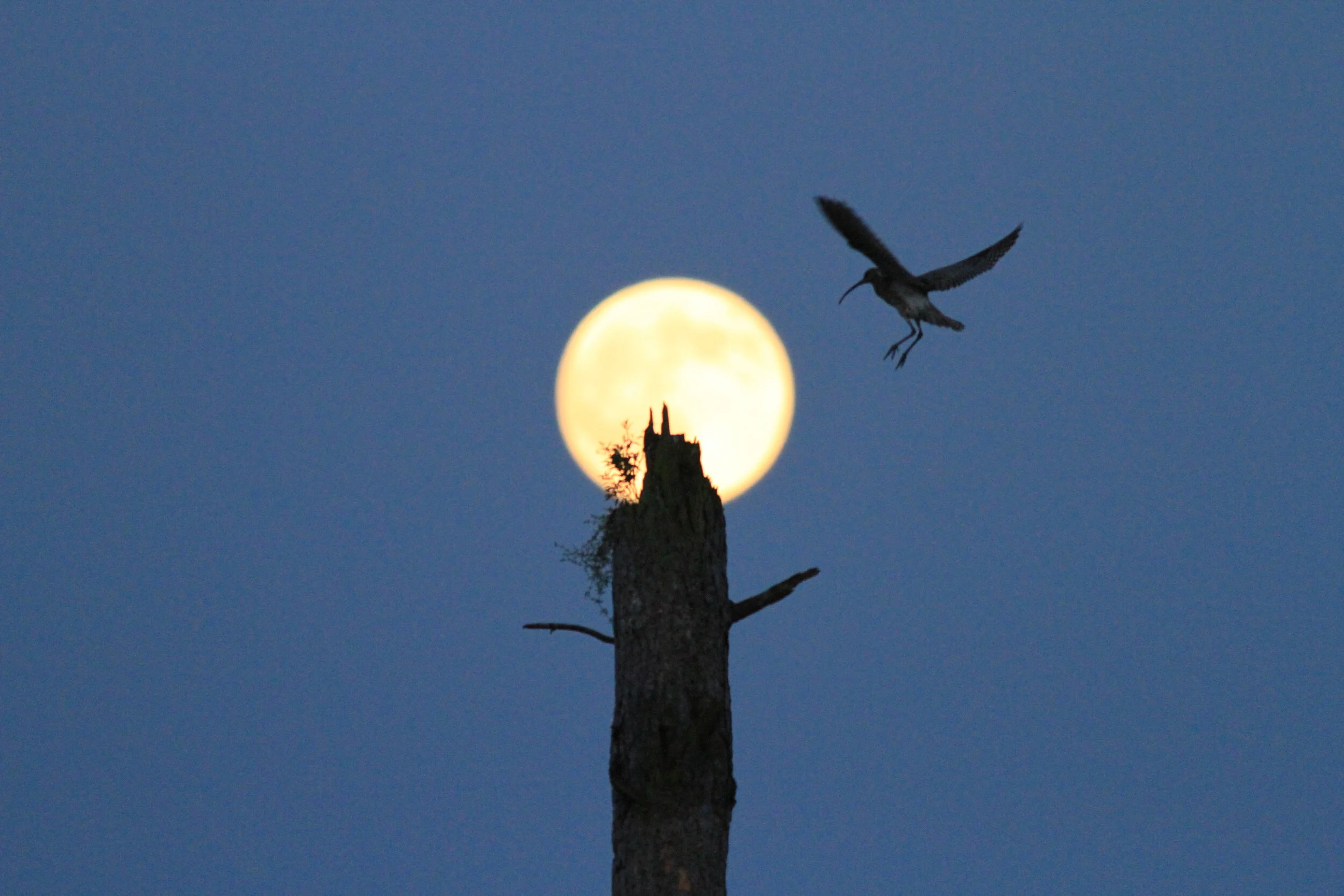
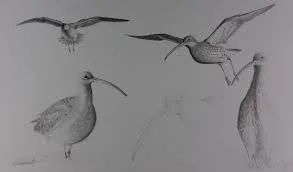
These studies of a curlew are drawn in pen by wildlife artist Adam Entwistle.
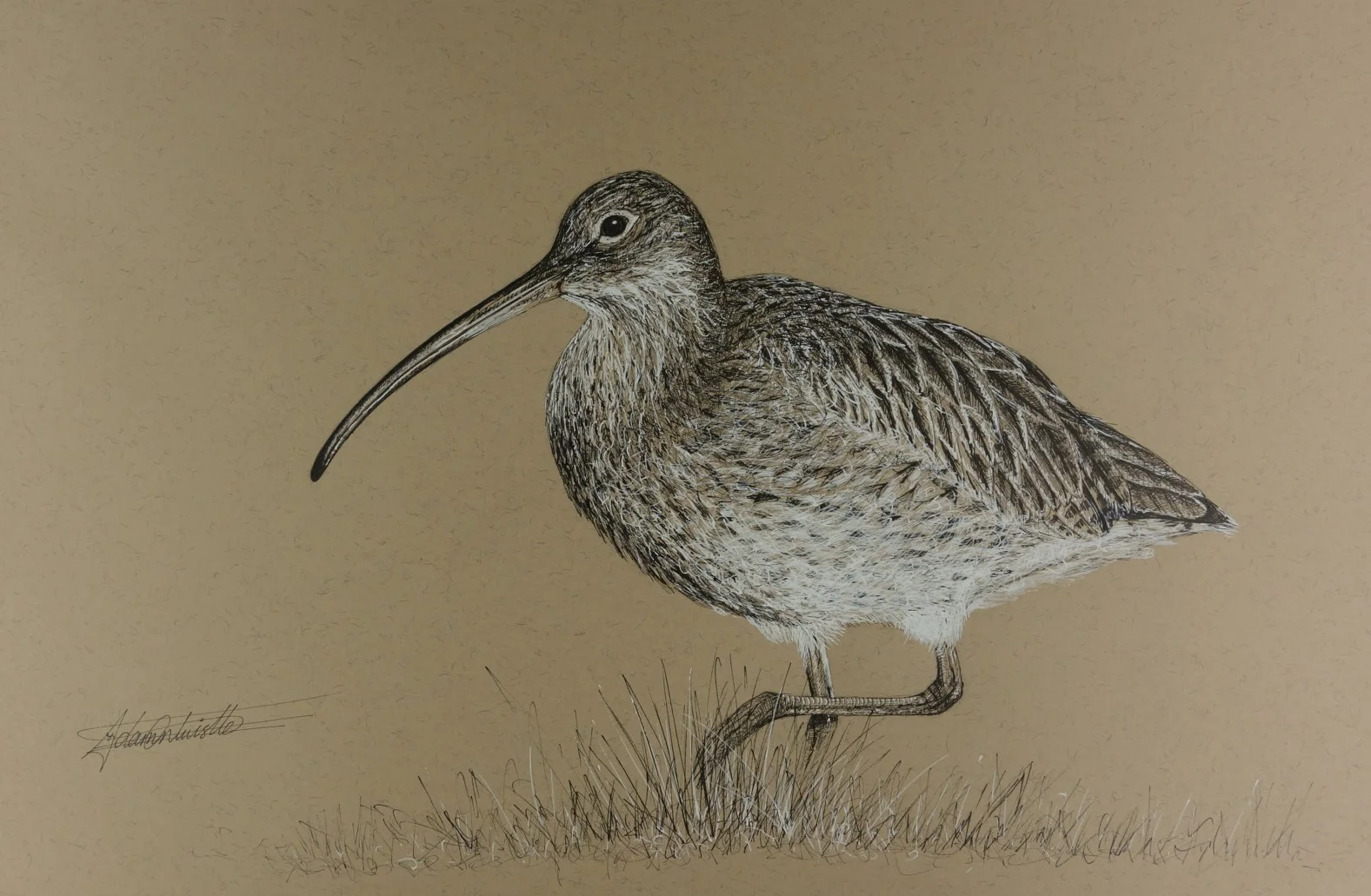
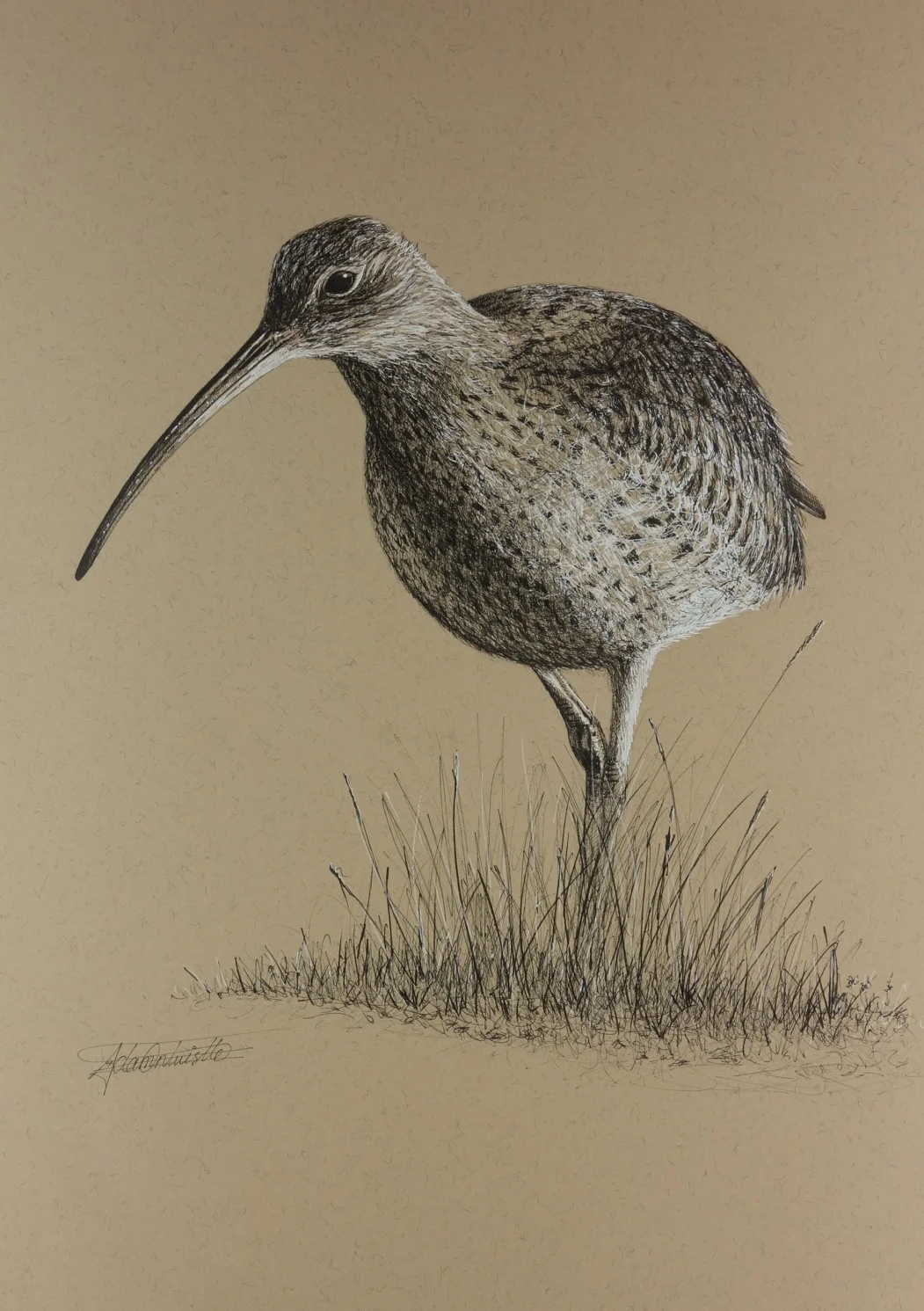
Curlews are particularly known for their evocative calls, an embodiment of wild places. They range from “curlee, curlee,” from which it gets its name, to the rising, bubbling trill which can be heard over moors and marshes, particularly in the breeding season. They provoke a range of emotions that many have expressed in poetry, art and music.
Thanks to renowned wildlife sound recordist Geoff Sample for providing these recordings.
This piece of music was sent to me by composer Peter Bagshaw, it is based on the call of the curlew.
This lengthy, instrumental piece takes its themes from the haunting, evocative call of the Curlew, which, due to a number of factors, are in severe decline across Britain and Ireland. If you would like to know more about the plight of this wonderful bird and possibly get involved in helping it these links provide further information https://www.rspb.org.uk/our-work/conservation/conservation-projects/details/400395-curlew-recovery-programme and http://www.birdwatchireland.ie/Ourwork/CryoftheCurlewAppeal/tabid/1106/Default.aspx The call of the curlew used on this piece was kindly provided for download here https://www.freesound.org/people/Benboncan/sounds/72892/
Thanks also to Michelle Rogers for the Save Our Species Curlew image http://michellerogers.com/about/
And this beautiful and moving song is written and performed by Sarah Deere-Jones – The Seven Whistler.
There are thought to be around 48,000 curlew in the UK, but that number belies a deeper story. We have lost over half of the UK’s curlews in the last 20 years, but in some places, such as southern Ireland, the decline is over 98%, Wales 80% and England and Scotland around 60%.
These photos are by Rich Steele
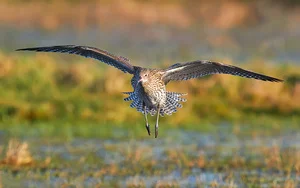
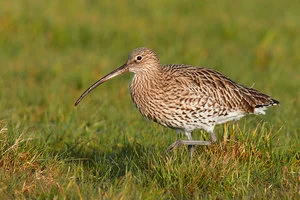
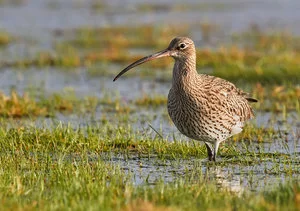
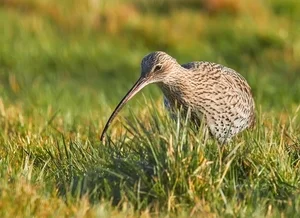
>
“Of all bird songs or sounds known to me there is none that I would prefer than the spring notes of the Curlew…The notes do not sound passionate they suggests peace, rest, healing joy, an assurance of happiness past, present and to come. To listen to Curlews on a bright, clear April day, with the fullness of spring still in anticipation, is one of the best experiences that a lover of birds can have. On a still day one can almost feel the air vibrating with the blessed sound.
— Lord Edward Grey
“
A moor without a curlew is like a night without a moon, and he who has not eyes for the one and an ear for the other is a mere body without a soul
— George Bolam
“
O CURLEW, cry no more in the air,
Or only to the water in the West;
Because your crying brings to my mind
passion-dimmed eyes and long heavy hair
That was shaken out over my breast:
There is enough evil in the crying of wind.
— William Butler Yeats”
To donate to curlew recovery projects – click on the logos….